
Studying Cancer at Vanderbilt Summer Academy

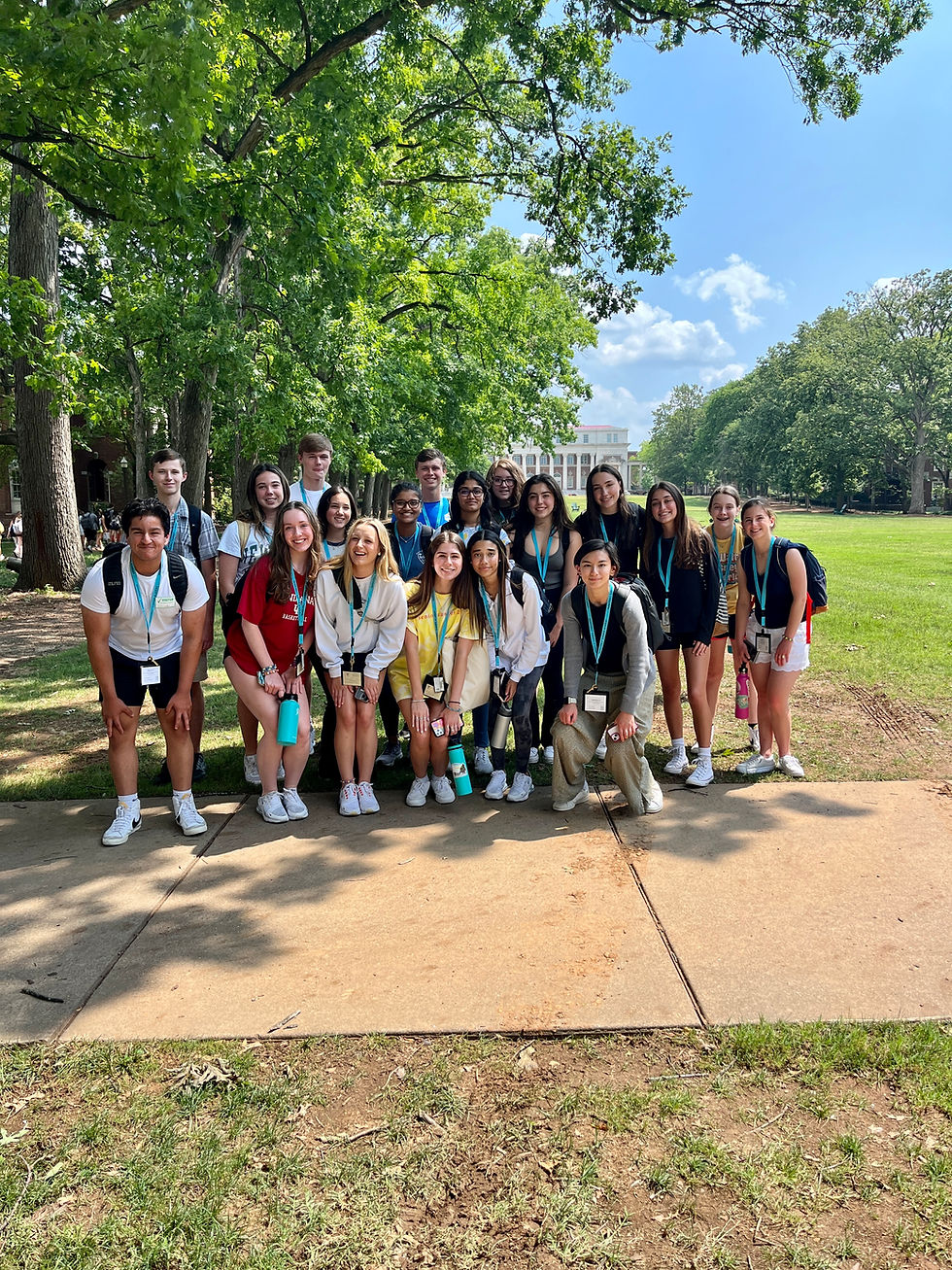
Last week I got a terrific chance to attend the Vanderbilt Summer Academy (VSA) at Vanderbilt University in Nashville, Tennessee. I applied to VSA and took part in the Biology of Cancer class.I was able to uncover the depths of cellular life and explore the transformative effects of the tenacity of life. I learned a lot about the origins and treatments of cancer as well as some other biological concepts like DNA replication and mitosis. This one week long class definitely left a spark in my curiosity that will not be extinguished any time soon. Along with classes, I got to experience residential life on the campus, which was very exciting. It is incredible how close people from all around the country can get in just a week of living together.
During the first day of classes, we learned all about cells, as the objective of the day was to be able to recognize what makes cancerous cells different from healthy cells and how they develop. After learning that there are a lot of sizing differences between the types of cells, we made our own healthy and cancerous cells to apply our learning. We also explored the cell cycle and learned about how not going into the G0 phase can cause issues. After our lunch break, we were able to look at our cheek cells under a microscope to see what normal cells look like.
The second day of classes was all about genetics and DNA. We started by adding mutations to strands of DNA and transcribing them to see the differences in the amino acid sequences. It was quite obvious why these small mutations caused so many things to go wrong. We were introduced to a fake case study that we would be following all week. In this case study, we were looking through the eyes of a brother and sister whose mother had breast cancer. It was a very fun activity to sort through their pedigree to find where the cancer originated from. (SPOILER ALERT: It was the great grandma!) After lunch, we went deeper into how DNA replication works and how to study DNA using techniques such as gel electrophoresis, sequencing, and PCR. After that, we did an activity where we linked arms to form different sized chains and ran for the same amount of time. We found that in the chains where there were more people linked together, they covered less distance, which modeled how gel electrophoresis works to separate DNA chains of different lengths. We also did the classic strawberry DNA extraction experiment. Then, we got to make our own DNA bracelets with 24 nitrogenous bases from primers. We had two strands on our bracelet, one for the DNA sense strand and one for the DNA antisense strand. Each nitrogenous base had its own colored bead.
On the third day of class, we learned about the different types of diagnostic tests and how metastasis works. We covered the ins and outs of mammograms, biopsies, ultrasounds, and MRIs. During the metastasis lecture, we covered the 5 stages of cancer, including stage 0. We had a reading about metastasis the day before for homework, so everyone had a lot of burning questions. Here are some of mine: Once cancer gets to a new place, does it affect the DNA of the cells present in the new place to make more cancerous cells? The answer is no. Cancer cells do not change the DNA of healthy cells in the area where they metastasize. Instead, they continue to replicate and take energy from the healthy cells. My second question was if the cancer cells go through and sometimes even stay in the lymphatic vessels, which are where lymph and white blood cells are transported, how come they can stay there without the detection from the white blood cells? What mechanisms do they use to trick the body? After a bit of googling, I learned that cancer cells can manipulate their microenvironment to prevent immune cells from recognizing them as a threat. Even if the immune cells recognize the cancer cells, the molecules will attach to PD-L1 proteins, which tell them to stop the immune response and even possibly initiate apoptosis.
The fourth day was all about pathology and treatments of cancer. We started off by analyzing pathological reports and presenting our assigned reports to the class as if we were doctors. After that, each of the five tables was assigned one of the following therapies: biological therapy, chemotherapy, radiation therapy, hormone therapy, and surgery. Then, we all went around and told other groups about the specific type of therapy we learned about. After lunch, we briefly covered STEM careers, and I learned about a couple of new careers I didn’t know about, including bioethicists, industry researchers, and medical science liaisons. This was a really helpful session for everyone because a lot of students mentioned how this lecture opened their eyes to new pathways. Then, we talked about CRISPR-Cas and its applications to cancer. It was really interesting to learn about how CRISPR-Cas originated from a bacterial defense mechanism against bacteriophages. We went really deep into how CRISPR-Cas actually does what it does. This was by far one of my favorite lectures.
The fifth and final class day was dedicated to presenting our group projects that we had been working on. My group chose to research T-cell transfer therapy, which is essentially where scientists extract T-cells from the tumor, grow them and make them stronger in a lab, and re-inject them into the patient’s veins. I learned a lot about the history of this treatment, the pros and cons, and what we can expect from it in the future. I also learned about how to find free and reliable research papers when you are trying to learn about a topic. After lunch, we got to go to our teacher’s research lab in the Vanderbilt Medical Center and talk to some researchers about their daily lives and career paths. This was also a really exciting thing because research labs aren’t what I thought they would look like. I feel like the movies and TV shows I watched hyped research labs up way too much. The layout of the lab was a lot more simple, which I appreciated, but the equipment was really amazing. Our teacher even demonstrated to us how a centrifuge works. At the end of the day, we all said our goodbyes and left the class with a plethora of things we each took away from the experience.
Apart from the classes we had, the residential life and community aspect of this camp was also heavily focused on. Everyone had their own proctor groups with 10-15 students who lived and dined together. My proctor group became my family, and I can truthfully say I will never forget them. It’s true what they say; the people make the experience truly enriching. The residence hall I stayed in was pretty good. I was happy with its amenities. Our dining hall served good food, but it did get monotonous when they kept serving pasta and burgers almost every day. At the end of the camp, we had a dance in the Rand Dining Center. It was really fun, and there were lots of games and activities going on too. The entire experience of living with people from all around the country and learning about everyone’s unique lives was really fun and interesting.
Overall, Vanderbilt Summer Academy was an extremely fulfilling experience. I learned so much about cancer and science in general. I also got to be part of a closely knit community of like-minded people, who were an essential part of my time at Vanderbilt. I would definitely recommend this camp to anyone with a love for science, writing, law, or other offered class subjects at the academy who want to learn more about a particular concept from an expert in that area. The teachers and teaching assistants were amazing at helping high school students understand collegiate level material and making sure they have fun at the same time. It was a great week where I got to explore my interests, challenge my brain, and delve into boundless possibilities.


Comments